


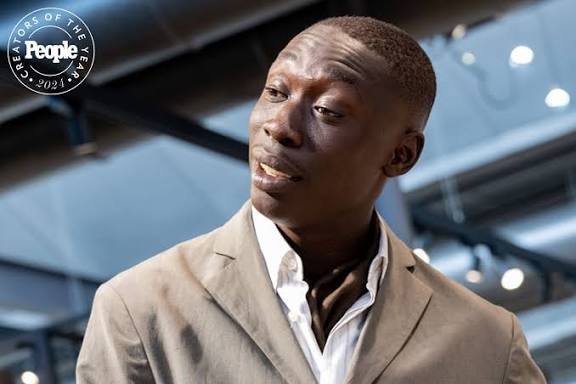
As Africa prepares to become the world’s most populous continent, tech innovation promises to transform content creation into generational wealth
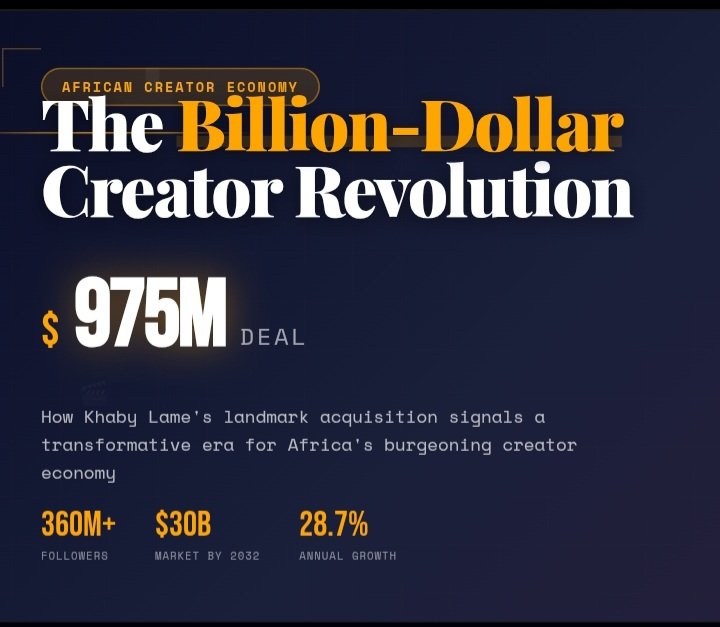
In a move that has sent shockwaves through the global creator economy, Senegalese-Italian content creator Khaby Lame has completed a landmark transaction valued at $975 million. The all-stock acquisition by NASDAQ-listed Rich Sparkle Holdings of Step Distinctive Limited—Lame’s core operating company—represents far more than a personal financial milestone. It marks a transformative moment for Africa’s burgeoning creator economy, demonstrating that digital influence, when properly structured and technologically amplified, can rival traditional media empires in value.
For Nigeria and the broader African continent, where the creator economy is projected to surge from $5.10 billion in 2025 to nearly $30 billion by 2032, this deal offers both inspiration and instruction. It proves that African creators can transcend the limitations of ad revenue and brand deals to build equity-backed businesses that command serious institutional investment. For African venture Investors and Government ministries paying attention, it is a sign that building the creative industry is a lot more than assembling a bunch of content creators and just handing them money ( that only helps in the short term) it involves building businesses that can institutionalize the creative economy itself.
From Viral Moments to Institutional Assets
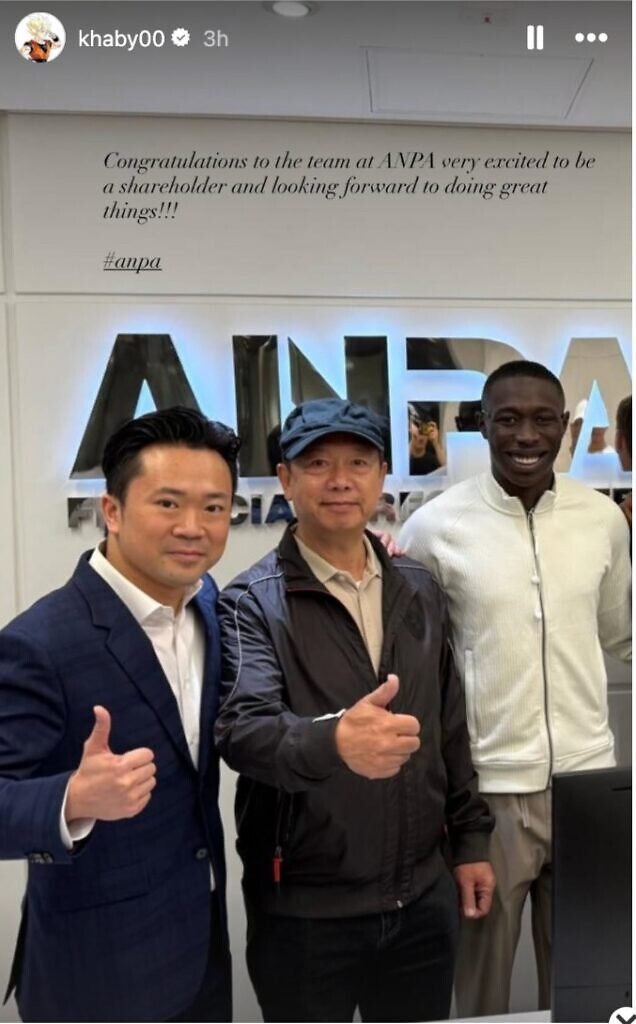
Khaby Lame’s journey from factory worker to TikTok’s most-followed creator—with over 360 million followers across platforms—already captured global imagination. His silent, gesture-based comedy transcended language barriers, making him uniquely positioned to monetize across diverse markets. But this acquisition signals something more profound: the industrialization of influence.
Explaining the deal, Marie Lora- Mungai, Founder and CEO of Restless Global, an creative and sports business strategic advisory firm, Rich Sparkle Holdings secured exclusive three-year commercial rights to Lame’s brand.
Lora- Mungai further adds that beyond the actual acquisition by Rich Sparkle Holdings, the real major player in the deal is a Chinese Multi Channel Network called Anhui Xiaoheiyang Network Technology Co. According to the deal Anhui will
- Boost Distributions of Khaby’s Videos, systematically repurposing his content across short video ecosystems across Asia and elsewhere.
- Package his likeness persona and humor style into licensing products and usage rights. Part of this deal is an AI digital twin that can create content for him.
- Push into mass market consumer products such apparel and lifestyle products.
- Professionalize the back-end through industrial grade operations, IP protection, contract standardization, and tax and royalty optimization.
For African founders or venture capitalists thinking of the future of African tech and investment and how to take advantage of Africa’s increasing population , the message is clear, Lame didn’t just monetize attention; he converted it into a platform-style asset with projected annual sales exceeding $4 billion through livestream commerce, merchandising, and co-branded products. In other words the African creator economy will start to show serious growth when business and technology integration changes creators into entertainment assets rather than just celebrities with large follower counts.
Africa’s Digital Awakening
Africa’s creator economy stands at an inflection point. Valued at $5.10 billion in 2025, market analysts project explosive 28.7% compound annual growth, potentially reaching $29.84 billion by 2032. This expansion is driven by structural forces: over 60% of Africa’s population is under 25, smartphone penetration is approaching 50%, and mobile broadband networks continue expanding across the continent.
For Segun Adeyemi, Senior Business Reporter at Business Insider Africa, Nigerian content creators as an example have proved that you can build sustainable income from creating content, from comedy skit makers like Mr. Macaroni, Taooma, Layi Wasabi and Broda Shaggi to tech content creators like Fisayo Fosudo and lifestyle influencers like Hilda Baci. Yet even they and others like them still mostly operate within traditional influencer models—trading content for brand deals rather than turning their own brand as a content creator into scalable equity.
But the $975m Khaby Lame transaction demonstrates the next evolution: from influencer to entrepreneur to institutional asset. It’s a blueprint for transforming social capital into financial infrastructure.
What Africa is Missing
The question then is not just can Africa create its own multi-million dollar influencer driven entertainment asset? Can Brother Shaggi or Layi Wasabi also one day become a product that can be sold for a billion dollars? The answer is obviously yes. But the truth is that those kind of assets don’t just exist or get built in isolation, they are part of a larger business and technology ecosystem. Building the African creative economy ecosystem is more than what a creator, or even a group of creators can do by themselves. It is a long term investment project involving the entertainment industry, tech founders, investors, and government agencies all working together to build.
Unfortunately, Africa is currently nowhere near the level of development for that to happen, but the creative economy is an opportunity that Africa cannot afford to miss, because it offers an unprecedented level of economic empowerment potential for its growing population that it simply cannot affords to miss out on in its own best interests.
As Ronald C. Pruett Jr. Managing Partner at The Boston Associates, a US-based Creative Industry Enterprise Advisory Firm, mentions that Africa fortunately already has a large number of creators who are earning sustainable income from their content and are even beginning to diversify into different business ventures, but overall the economy is still nascent especially in terms of tech integration.
For tech founders, government ministries, companies, and professionals who wish to get into the space, here are some core areas among a lot of others in the content creator economy that Africa is still lacking in:
Building AI-Powered Content Creation Tools: Artificial intelligence can democratize professional-grade content production. Tools for automated video editing, voice synthesis, translation, and audience analytics enable creators to produce higher quality content at scale. Khaby Lame’s AI digital twin represents the frontier of this technology—allowing personalized content delivery across time zones and languages without requiring his physical presence.
Livestream E-Commerce Integration: Livestream shopping has already become a multi-billion dollar industry in Asia, Africa has barely scratched the surface. Integrating seamless purchasing capabilities directly into livestream content—allowing viewers to buy featured products without leaving the platform—could revolutionize monetization. Nigerian creators with strong audience trust could leverage this model for substantial revenue growth.
Again Marie Lora-Mungai notes that while Africa is at an advantage in terms of population, it is at a disadvantage in terms of funding, so instead of the glamorous funding model of the western creators, African could focus on the high velocity, high volume, low margins ecommerce. She believes this will ensure that brands can put out lower cost deals that will take advantage of Africa’s young audience who don’t have the financial resources to engage higher end e-commerce
Creator Management Platforms: African creators need sophisticated platforms for brand partnerships, contract management, analytics, and business operations. Technology that simplifies the business side of content creation—from negotiating deals to tracking performance metrics—allows creators to focus on their core strength: creating engaging content.
Intellectual Property Protection: Blockchain and digital rights management technologies can help creators protect and monetize their intellectual property. As African content gains global traction, robust systems for copyright protection, licensing, and royalty distribution become essential for capturing fair value.
Overcoming Structural Barriers
Regulatory ambiguity around taxation, compliance, and intellectual property rights creates operational uncertainty. Access to capital remains limited—while global creator economy startups attract billions in venture funding, African creators struggle to access even modest investment for equipment, training, or business development.
Yet these challenges present opportunities. As Africa prepares to become the world’s most populous continent by the next decade—with a projected population exceeding 2.5 billion—the addressable market for locally relevant content will become impossible to ignore. International brands increasingly recognize that authentically African voices provide the only credible path to these audiences.
For Governments and government agencies they also have a role to play in help Africa’s creator economy to fulfill its potential. Governments should establish clear regulatory frameworks that protect creators while encouraging innovation. Tax policies should recognize the unique nature of creator businesses, and investment in digital infrastructure must accelerate.
For David Adeleke , Founder of Communique, a media and tech analysis, newsletter the message is clear: the next billion-dollar creator business could emerge from Lagos, or Dakar, or Nairobi not Silicon Valley or Hollywood, or Hong-Kong. However, capturing that opportunity requires moving beyond viral fame toward building genuine equity—combining authentic voice with technological infrastructure, turning cultural influence into financial assets, and thinking not just about today’s brand deal but tomorrow’s institutional acquisitions.
The creator economy is no longer about getting views. It’s about building value. And technology—from AI-powered content tools to sophisticated payment platforms to livestream commerce systems—provides the infrastructure to make that transformation possible. Africa’s creative talent has always been world-class. Now it’s time to build the technological ecosystem that allows that talent to capture world-class value.
