


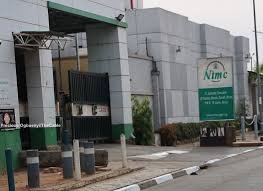
The National Identity Management Commission (NIMC) has confirmed that ward-level registration for the National Identification Number will begin across the country on 16 February 2026. The announcement came through a statement signed by the Commission’s Head of Communications, Kayode Adegoke, who said the rollout follows a direct presidential directive.
According to the Commission, the aim is to make NIN registration accessible to every Nigerian and legal resident, including children who have yet to be captured in the National Identity Database. The exercise will be conducted free of charge as part of a broader push to expand identity inclusion and support access to public services.
A Push to Bring Digital Identity to the Grassroots
NIMC described the ward-level model as a deliberate attempt to decentralise registration and reduce the travel burden that has prevented many citizens from enrolling. “The ward-level enrolment initiative represents a strategic step towards deepening identity inclusion, decentralising services, and bringing registration to the ward level,” the statement read.
The Commission added that it has begun consultations at national, state and local government levels to support a smooth rollout. Traditional institutions, market groups and faith-based organisations are also being engaged to assist with public awareness.
Citizens are encouraged to register within their communities and ensure that unregistered family members, especially children and older adults, take part in the exercise. NIMC emphasised that widespread participation is crucial for building a reliable and inclusive identity system.
A Programme Running Against Time
Nigeria’s push for comprehensive digital identity has been shaped heavily by the World Bank-backed ID4D project, launched in 2020. The initiative was designed to accelerate NIN enrolment under a $430 million package financed by the World Bank, alongside the French Development Agency and the European Investment Bank.
However, the country missed the target of enrolling at least 148 million Nigerians by June 2024. This delay led to a restructuring of the entire programme and an extension of the project’s closure date to 31 December 2026. The World Bank noted that the extension was necessary to ensure full disbursement and completion of the scheme’s objectives.
The new ward-level approach is seen as a critical part of efforts to bridge the gap, especially in communities where awareness and access have remained limited.
