


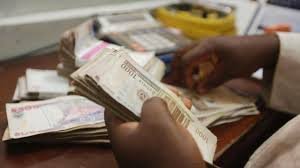
Global mobile money transactions reached a major milestone in 2025. Transaction values crossed $2tn worldwide, according to the State of the Industry Report on Mobile Money 2026 released by the GSMA.
The figure shows how quickly digital payments have expanded. It took nearly 20 years for mobile money to reach $1tn annually. However, the industry doubled that value within just four years.
This rapid growth signals a shift. Mobile money has moved beyond a simple payment tool into a core financial service used daily across many regions.
As digital access improves, millions now rely on mobile wallets instead of traditional banks.
From simple transfers to a global financial ecosystem
The GSMA report shows adoption rising sharply. Registered accounts climbed to 2.3 billion in 2025. That represents an increase of 268 million new accounts within one year.
Monthly activity also expanded. Around 593 million accounts were active within a 30-day period. This marks a 15 per cent year-on-year increase.
GSMA Director-General Vivek Badrinath described the transformation clearly. “Mobile money has evolved from a simple way to move money into a global financial ecosystem, reshaping how hundreds of millions manage their financial lives. Adoption and regular use are surging, and value is scaling faster than volume.”
The statement reflects how users increasingly depend on mobile services for payments, savings, and everyday transactions.
Regulation helps but challenges remain
Growth has not happened by chance. According to the report, supportive regulations have played a major role in global MoMo growth.
More than 60 per cent of providers said interoperability rules, customer verification policies, and consumer protection frameworks improved operations. These measures helped build trust among users and financial partners.
However, barriers still exist. About 24 per cent of providers reported difficulties linked to cross-border data transfer rules. These restrictions continue to slow international expansion in some markets.
Even so, policymakers increasingly view mobile money as critical digital infrastructure.
Financial inclusion mobile money continues to expand
Mobile money continues to drive financial inclusion worldwide. Many users gained access to financial tools for the first time through mobile platforms.
The GSMA noted that services now extend beyond payments. Credit, insurance, and savings products are becoming more common within mobile ecosystems.
At the same time, the report highlights a persistent gender gap. Outside Ghana, Kenya, and Nigeria, women remain less likely than men to actively use accounts shortly after registration.
Badrinath stressed the importance of inclusive policies. “By prioritising interoperability, digital public infrastructure, consumer protection, and financial health outcomes for women, mobile money can continue to provide safe, inclusive, and sustainable digital financial services globally.”
A fast-changing future for digital payments worldwide
The rise of mobile money transactions shows how digital finance continues reshaping economies. Faster payments, wider access, and growing trust are pushing adoption forward.
As innovation continues, mobile money is expected to play an even larger role in crisis response, social payments, and everyday commerce.
For millions of people, the mobile phone is no longer just a communication device. Instead, it has become their primary financial gateway.


I am passionate about crafting stories, vibing to good music (and making some too), debating Nigeria’s political future like it’s the World Cup, and finding the perfect quiet spot to work and unwind.
No Comments