


You know that moment when you realise your favourite footballer is not just scoring goals but also quietly backing the next billion-dollar AI startup? That’s the type of reality we live in right now.
The line between the pitch and the boardroom has become so blurred that you’d need prescription glasses to see it clearly. Now you’d be forgiven for thinking that athletes in venture capital are just writing cheques and calling it a day. Well, they’re out here building actual investment empires, launching funds, and betting on the future of technology with the same intensity they bring to their sports.
And before you say, “Ah, it’s just celebrity vanity projects,” pause. These athletes in venture capital are actually making moves that would make even Silicon Valley veterans pause and take notes. We’re talking about billion-dollar valuations, strategic partnerships, and portfolio companies that are reshaping entire industries.
Let’s meet 10 of the athletes who’ve traded jerseys for term sheets and are winning off the field just as hard as they do on it.
1. Cody Gakpo
When you think of Liverpool’s attack, Cody Gakpo probably comes to mind for his clinical finishing. But did you know the 26-year-old Dutch international has been quietly building a tech portfolio that would make many a VC jealous?
Through his venture capital firm CMG Nexus (founded in 2023), Gakpo has backed some seriously impressive startups. In 2025 alone, he participated in Fyxer AI’s $10 million Series A round led by 20VC, an AI agent that helps you organise workflows and handles mundane tasks like replying to emails. The company was so hot that it raised another $30 million in a Series B led by Madrona just months later.
But Gakpo didn’t stop there. He joined a $20 million seed round for Jack & Jill, led by Creandum, backing an AI agent that’s revolutionising hiring by matching both employers and employees.
“My family always advised me to handle my finances thoroughly and care for myself post-career,” Gakpo shared in a recent LinkedIn post.
And he’s not done yet. “There is already more to come that I cannot announce yet,” he teased. “But it makes me excited for what 2026 holds!”
Read more: From Anfield to Angel Investing: How Liverpool’s Cody Gakpo Is Building a Tech Portfolio
2. LeBron James
If there’s one athlete who wrote the playbook for how to transition from sports to serious business, it’s LeBron James. Through his family office LRMR Ventures, and media company SpringHill, King James has built an empire so valuable, he officially became a billionaire in 2022.
SpringHill, co-founded with Maverick Carter in 2020, isn’t your typical celebrity vanity project. The company attracted major investments from Nike, Epic Games, Fenway Sports Group, and RedBird Capital, with James and Carter maintaining majority control. SpringHill produces everything from films (remember “Space Jam: A New Legacy“?) to Emmy-winning talk shows like “The Shop.”
But LeBron’s venture interests extend far beyond entertainment. His early bets on Beats by Dre (before Apple’s acquisition), Blaze Pizza, and a stake in Fenway Sports Group (owner of the Boston Red Sox and Liverpool FC) show a strategic mind that understands value creation.
What makes LeBron stand out among athletes in venture capital is his commitment to diversity and empowerment. SpringHill’s board includes Serena Williams, and the company’s mission is to elevate diverse voices and support underrepresented creators. His influence has spawned a generation of athlete investors, including Naomi Osaka, who partnered with SpringHill for her own media company.
The King’s Legacy: James demonstrated that athletes could build sustainable, scalable businesses while still at the peak of their athletic careers, a model many are now following.
3. Serena Williams
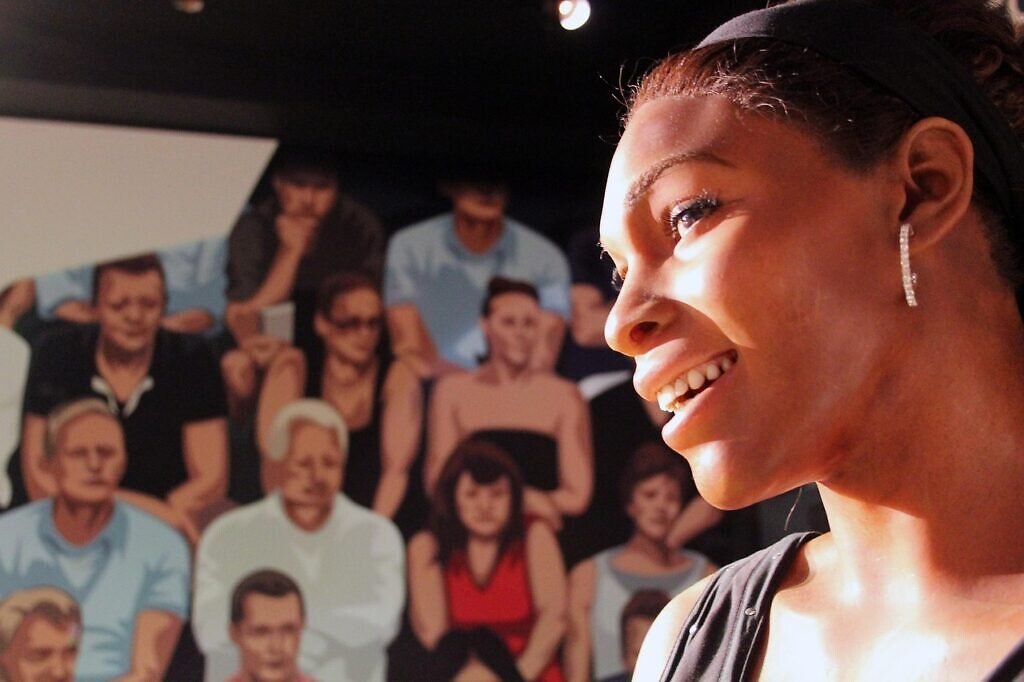
When Serena Williams learned that less than 2% of all venture capital funding went to women in 2014, she didn’t just shake her head, she did something about it. She founded Serena Ventures, and today the firm has invested in close to 85 companies, with 14 achieving unicorn status.
What’s remarkable about Serena Ventures isn’t just the returns, it’s the intentionality. Of the companies in her portfolio, 79% are founded by underrepresented groups, 53% by women, 47% by Black founders, and 12% by Latino founders. Portfolio companies include Impossible Foods, Noom, and MasterClass, all billion-dollar businesses.
Before entering the venture capital world, Williams secured one of the largest endorsement contracts for a female athlete from Nike (worth $55 million). She leveraged that brand power and network to become one of the only female general partners to emerge from professional sports.
Williams represents something unique among athletes in venture capital. A tennis legend using their platform not just to make money, but to actively reshape who gets access to capital. In an industry dominated by men, she’s proving that diverse investment strategies can be as ethical as they’re profitable.
The Serena Effect: Her success has inspired a wave of female athletes to explore venture investing, though she remains largely alone at the top.
4. Naomi Osaka
At just 27 years old, Naomi Osaka has already established herself as one of the most business-savvy athletes of her generation. The four-time Grand Slam champion launched three major ventures while still competing: KINLÒ (a skincare brand for melanated skin), EVOLVE (a talent agency), and Hana Kuma (a media company).
Hana Kuma, which means “flower bear” in Japanese, was launched in partnership with LeBron James’ SpringHill Company in 2022. The company raised $5 million in its first funding round in 2023, with backing from Epic Games, Nike, Fenway Sports Group, and The Players Fund (a UK-based athlete-led venture firm).
“We really want to see her build her own version of SpringHill,” Maverick Carter said of Osaka’s ambitions. The company has already produced Emmy-nominated content including the New York Times op-doc “Mink” and the video podcast “Good Trouble With Nick Kyrgios.”
Osaka’s investment portfolio extends beyond her own companies. She became one of the youngest investors in Sweetgreen when she invested in the healthy food chain in 2021 (now valued at $3 billion). She’s also backed sports recovery technology companies and other startups aligned with her values around health, wellness, and inclusivity.
What sets Osaka apart among athletes in venture capital is her willingness to start companies rather than just invest in them. It is a riskier approach, but potentially more rewarding if it works out.
Breaking New Ground: Osaka is pioneering a path for female athletes to build substantial business portfolios during their athletic careers, not just after retirement.
5. Stephen Curry
Stephen Curry’s Penny Jar Capital launched in 2021 as an early-stage venture firm where the two-time NBA MVP serves as special advisor and anchor investor. Founded by Bryant Barr and Rich Scudellari, Penny Jar has made around 18 investments in companies tackling “overlooked” industries where tech adoption lags.
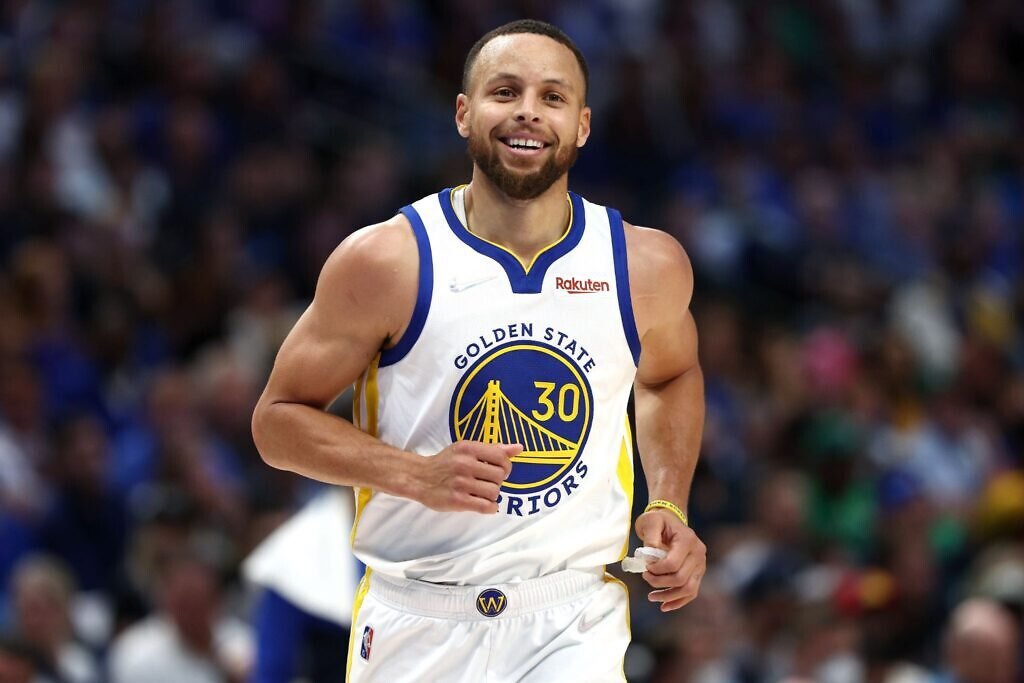
The firm’s portfolio includes Upwind (internet security), Ducky (work automation), Praxis Labs (employee learning), and most recently, Burnt, a $3.8 million seed investment in September 2025 for an AI startup automating food supply chain operations.
What makes Penny Jar different from other athlete-backed funds is how hands-on they are. Portfolio companies report that Curry and the team don’t just provide capital, they rebuild financial models, make customer introductions, help hire executives, and even become active users of the products they invest in.
“Stephen’s podcast shined a light on our mission and brought powerful visibility to our work,” said a founder from Syndio, one of Penny Jar’s investments. Another founder noted that Rich Scudellari “completely rebuilt our financial model” right after investing.
In December 2024, Penny Jar filed to raise a Fund II, signaling their intention to double down on their strategy. The firm has successfully positioned itself as “more than just Stephen Curry’s VC fund”, a challenge many celebrity-backed firms tend to struggle with.
The Curry Approach: Combining star power with genuine operational support to help portfolio companies scale.
6. Nico Rosberg
The former Formula 1 world champion has built one of the most impressive athlete-led venture capital operations in Europe. Rosberg Ventures announced a $100 million fund in 2024, shifting from fund-of-funds investing to direct investments, with ClickHouse as its first major target in 2025.
What makes Rosberg unique among athletes in venture capital is his ability to bridge European capital with Silicon Valley technology. His global recognition and established networks across sports, technology, and finance enable him to secure deals that might otherwise be inaccessible to non-U.S.-based investors.
In April 2024, Rosberg attracted $30 million in the first close of a $75 million fund-of-funds, demonstrating how celebrity credibility can accelerate capital raising. His portfolio companies gain exposure to his extensive network of athletes, corporate executives, and institutional investors, a critical advantage in early-stage fundraising.
Rosberg’s emphasis on long-term social impact aligns with growing ESG (Environmental, Social, and Governance) priorities in venture capital, potentially broadening appeal to institutional investors. His success is part of a larger wave of European athletes entering the venture space, including partnerships with NBA and Red Bull-backed initiatives. On January 12, 2026, Rosberg Ventures raised another $100 million in its third funding round, bringing its total assets to $200 million.
European Innovation: Rosberg is proving that athlete-led venture capital can thrive outside Silicon Valley’s traditional ecosystem.
7. Alex Rodriguez

Former baseball star Alex Rodriguez has quietly built one of the most diverse investment portfolios in sports. Through A-Rod Corp and co-founded VCP Ventures (with Marc Lore), Rodriguez has invested in over 30 companies across technology, media, and entertainment.
Interestingly, Snapchat was one of his most notable early bets. A-Rod Corp bought shares in 2016 when the parent company was still private. When Snap went public in 2017, it had a $23.6 billion valuation. That single investment likely returned multiples.
VCP Ventures focuses on technology and tech-enabled B2B and B2C companies, offering what they call the “VCP playbook”, leveraging their network and expertise to accelerate growth timelines for founders. The firm prides itself on being more than just capital, they’re strategic partners helping shape company trajectories.
Rodriguez’s investment strategy demonstrates something important about athletes in venture capital: they can bring more than money to the table. They bring brand power, media access, and cultural relevance that can help startups break through noise in crowded markets.
The A-Rod Model: Combining celebrity influence with genuine business acumen to identify and accelerate high-potential companies.
8. Shaquille O’Neal: The Big Aristotle’s Tech Portfolio
Shaq might be known for his dominance on the basketball court, but his investment portfolio is equally impressive. O’Neal holds stakes in restaurant franchises (Five Guys, Auntie Anne’s, Papa John’s, Krispy Kreme), an estimated 150 car washes, and 40 fitness centers. But it’s his tech investments that really stand out.
O’Neal famously invested in Google’s Series A round by accident in 1999, before it went public in 2004 at a $100 million valuation. He also made early bets on Apple Inc. around the same time. His investment in Ring video doorbell eventually paid off when Amazon acquired the company for $1 billion.
Another profitable play was Lyft. After making an initial investment in 2013, Shaq watched the ride-sharing app go public in 2019 at a $22 billion valuation. These early-stage bets show a pattern: O’Neal has consistently identified consumer technology companies before they become household names.
What makes Shaq interesting among athletes in venture capital is his approach; he invests in products he understands and uses, often in the consumer tech space, where his brand and influence can provide real value to portfolio companies.
Shaq’s Strategy: Simple but effective, invest in consumer products you believe in, early, and hold.
9. Kevin Durant: 35 Ventures and the Art of Early-Stage Betting
Kevin Durant’s Thirty Five Ventures (35V) has become one of the most respected athlete-led investment firms in the venture capital world. The firm has invested in companies like Postmates (acquired by Uber), Robinhood, Overtime, and Pietra.
What sets 35V apart is its focus on early-stage companies, often investing in Seed and Series A rounds when valuations are lowest, and risk is highest. This approach requires more due diligence and expertise, but the potential returns are significantly higher.
Durant has said he wants to build wealth that extends beyond his playing career, and 35V reflects that long-term thinking. The firm doesn’t just go after hot deals; instead focusing on sectors where Durant’s influence and network can deliver genuine value, including sports media, wellness technology, and consumer brands.
The firm’s success has made Durant one of the most sought-after athlete investors, with founders actively seeking his backing not just for capital but for the strategic value his brand brings.
The Durant Difference: Focusing on early-stage investments where athlete influence can genuinely impact company trajectory.
10. Giannis Antetokounmpo
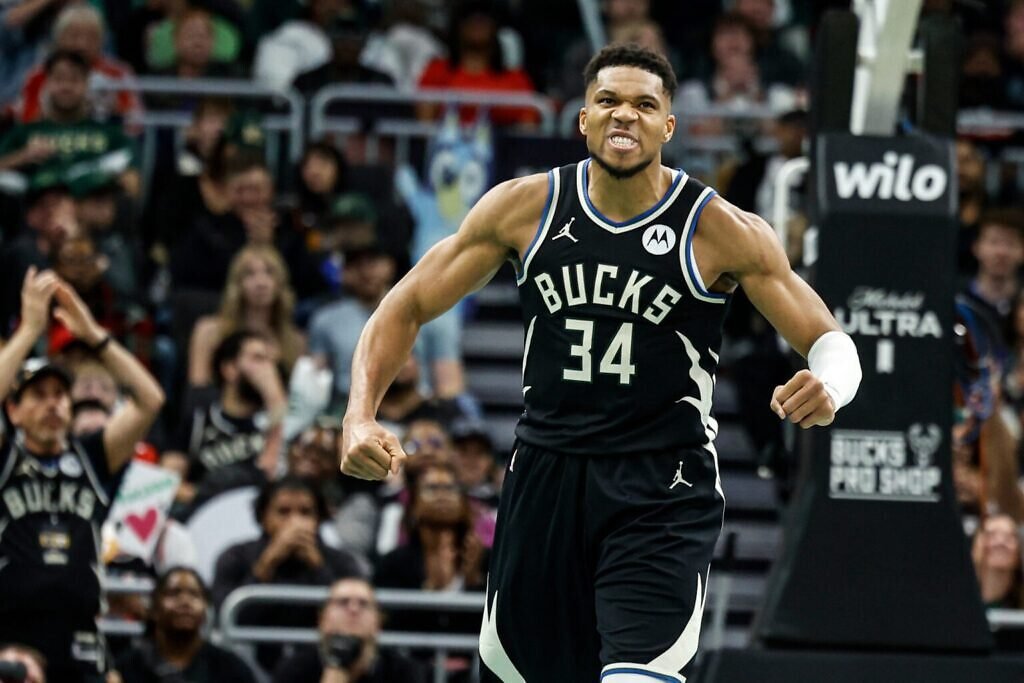
The Milwaukee Bucks star and two-time NBA MVP launched Build Your Legacy Ventures in late 2024, focusing on sports and entertainment investing. What’s notable about Giannis’ approach is his stated mission: helping entrepreneurs who’ve faced barriers to growth and success.
“[This fund is] not just about capital; it’s about forging partnerships and opening my network to accelerate the growth trajectory for companies,” Antetokounmpo said in a press release. His emphasis on supporting underrepresented founders echoes Serena Williams’s approach and aligns with a growing movement among athletes in venture capital.
While Build Your Legacy is still in its early stages, Antetokounmpo’s global brand and influence, particularly in international markets, could offer portfolio companies a unique advantage as they expand beyond U.S. borders.
The Greek Freak’s Vision: Using venture capital as a tool for empowerment and creating opportunities for founders who face systemic barriers.
Why Athletes Make Surprisingly Good Venture Capitalists
If you’re wondering why so many athletes in venture capital are succeeding, there are actually solid reasons beyond just having money to invest.
Network Effects: Athletes have access to other elite athletes, celebrities, corporate executives, and millions of social media followers. That’s distribution power most investors can only dream of.
Brand Value: When an accomplished athlete like Stephen Curry backs your startup or Serena Williams joins your board, it stops being just about the money, it’s instant credibility and media attention that would have cost millions in traditional marketing.
Competitive Mindset: Athletes understand discipline, long-term thinking, and handling pressure, all crucial skills in venture investing, where most bets fail.
Authentic Testing: Athletes often become genuine users of products they invest in, providing real feedback rather than just capital. This operational involvement can significantly improve product-market fit.
Cultural Relevance: Many athletes have influence in communities that traditional VCs struggle to reach. This is particularly valuable for consumer products targeting younger, more diverse demographics.
The Challenges Athletes Face in Venture Capital
It’s not all smooth sailing. Athletes in venture capital often have to face initial skepticism about whether they’re serious investors or just “tourists” lending their names for equity. Some other challenges include:
Operational Expertise: Writing cheques is easy; understanding cap tables, term sheets, dilution, and exit strategies is harder. Athletes need strong advisory teams.
Time Constraints: Being a professional athlete is a full-time job. Managing a portfolio requires time and attention that’s hard to find during a season.
Reputation Risk: One bad investment or failed startup can damage an athlete’s brand, especially if they’ve publicly endorsed the company.
Short Career Windows: Athletic careers are brief, meaning there’s limited time to build investment track records before transitioning to post-career life.
The successful athletes in venture capital have addressed these challenges by building strong teams, focusing on sectors they understand, and being genuinely involved rather than just appending their names to projects.
What This Means for African Tech and Startups
The rise of athletes in venture capital has interesting implications for African startups and tech ecosystems. Many of these athletes have connections to the continent, Gakpo’s Togolese heritage, Giannis’ Nigerian roots, and growing interest from African sports stars in building similar portfolios.
As more athletes become sophisticated investors, African founders have new potential sources of capital beyond traditional VCs. Athletes bring global networks, brand power, and cultural credibility that can help African startups access international markets.
We’re already seeing this play out. The Players Fund (backed by over 60 elite UK athletes) has invested across Europe and the U.S., demonstrating appetite for cross-border deals. As African tech hubs like Lagos, Nairobi, and Cape Town continue growing, expect more athlete capital to flow into the continent.
The Bottom Line
The transformation of athletes in venture capital from novelty to serious players has been one of the most interesting developments in both sports and tech over the past decade. Athletes in venture capital aren’t just passive investors, they’re launching funds, building companies, and reshaping who gets access to capital.
From Cody Gakpo backing AI agents at Liverpool to Serena Williams funding diverse founders to LeBron James building a $725 million media empire, the message is clear: the next generation of venture capitalists might just be warming up on the field right now.
And if you’re a founder, maybe it’s time to slide into some DMs. Your next investor might just be someone whose jersey you own.
What do you think? Are athletes in venture capital a positive development for the tech ecosystem, or is it just celebrity hype? Drop your thoughts in the comments below.


I love to write about the things I love to read about. That includes sports, tech, DIYs, literature, music and entertainment. When I'm not writing, I'm either sleeping, reading, watching a funny Netflix series or eating a bowl of abula.




No Comments