


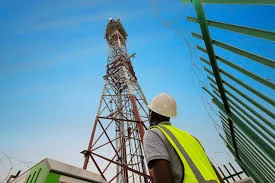
The year has opened with renewed worry across Nigeria’s telecom industry as reports of severe fibre cuts continue to climb, disrupting services and putting pressure on the nation’s digital backbone. Despite repeated appeals from operators, the problem appears to be worsening, raising fresh questions about how well the country’s critical infrastructure is being protected.
Figures from the Nigerian Communications Commission reveal a dramatic spike in early 2026. Incidents jumped from four in December 2025 to forty in January. By 17 February, a further eighteen cuts had been recorded, pushing total disruptions within the first seven weeks of the year to fifty-eight. Most occurred in Abuja, with others spread across Lagos, Enugu, Benue, Anambra, and Abia.
Operators say the trend shows that Nigeria’s most essential communication networks remain exposed, even after the implementation of the 2024 Critical National Information Infrastructure Order approved by Bola Tinubu. The framework was meant to ensure stronger safeguards for fibre cables, data centres, switching facilities, and other assets central to banking, education, security, and digital commerce.
Operators Call for Tougher Accountability Measures
During a recent industry visit by the Association of Licensed Telecommunications Operators of Nigeria to the NCC office in Lagos, operators again raised the alarm. They urged closer coordination on fibre mapping and stronger consequences for contractors whose activities damage live cables.
ALTON Chairman Gbenga Adebayo described the effect of daily cuts as severe. “Daily fibre cuts, often caused by federal and state road construction contractors, are creating enormous economic losses, nationwide service disruptions, destruction of critical digital infrastructure, loss of assets without compensation, and interruptions to banking, education, and security,” he said. He noted that operators currently have little institutional protection when these incidents occur.
Responding, NCC Chairman Idris Olorunnimbe stressed the importance of telecom infrastructure and insisted there must be consequences when it is damaged. “Telecommunications infrastructure is critical to commerce, social life, education, health, and entertainment. When it is damaged, there must be consequences for those responsible,” he said. He added that penalising offending contractors could act as a strong deterrent.
“If contractors know that damaging critical infrastructure will stop their work and they will be required to fix it, they will act differently,” he said.
A Costly—and Ongoing—Battle
This challenge is not new. NCC Executive Vice-Chairman Aminu Maida has previously disclosed that operators recorded 19,384 fibre cuts between January and August 2025. MTN Nigeria alone logged 5,478 in the first seven months of that year, including 1,016 in June. The operator ended the year with 9,218 cuts.
The financial impact has been massive. Operators spent around N14bn repairing roughly 59,000 cuts from 2022 to 2023. When revenue losses from downtime are included, total costs rose to approximately N27bn in 2023. MTN spent more than N11bn relocating over 2,500 km of vulnerable fibre during the same period.
The intensity of the problem again came into focus during a high-level meeting on 17 February 2026 at the NCC headquarters in Abuja. The engagement was attended by the Association of Telecommunications Companies of Nigeria, led by President Tony Emoekpere, alongside senior NCC officials. Emoekpere noted the importance of sustained collaboration. “As our industry continues to grow and consolidate, continued collaboration between regulators and operators remains critical to addressing infrastructure challenges, improving service delivery, and accelerating Nigeria’s digital transformation,” he said.
Industry leaders warn that with every disruption, banking networks slow, learning platforms stall, and digital services grind to a halt. These incidents cause delays, financial losses, and unnecessary downtime for millions of users. Investors are also paying attention, with uncertainty around network reliability affecting long-term planning and broadband expansion.
In a recent post, Nexintell CEO Ogaba Attah stressed the importance of smarter sector-wide intelligence. “Sustainable sector growth will increasingly depend not just on dialogue but also on shared infrastructure intelligence,” he wrote. He said that identifying duplication, underutilisation, and real-time risks could improve planning and strengthen resilience.
The Push for Stronger Protection Frameworks
Operators argue that the persistence of fibre cuts reflects deeper issues, from overlapping taxes to fragmented regulatory responsibilities and poor alignment between federal and state agencies. They insist that harmonised frameworks, combined with strict enforcement of CNII regulations, are necessary to protect infrastructure and stabilise services for consumers.
NCC’s leadership maintains that its doors remain open. “The NCC is here to support you. We are partners in building the sector, and we will continue to work with you to strengthen investment, protect infrastructure, and expand services,” Olorunnimbe said.


I am passionate about crafting stories, vibing to good music (and making some too), debating Nigeria’s political future like it’s the World Cup, and finding the perfect quiet spot to work and unwind.

No Comments