

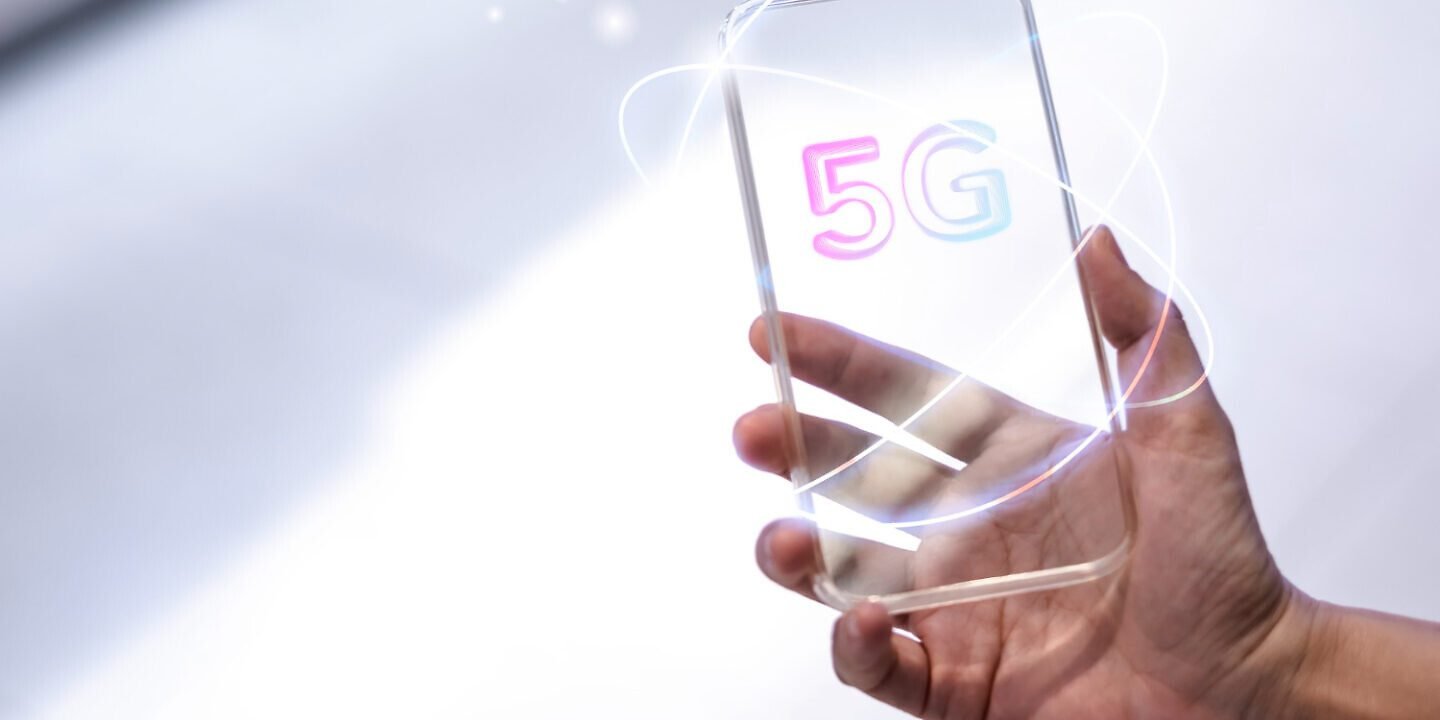
When 5G was launched in Nigeria three years ago, the promises it offered were simple: superfast speeds, improved signals, and fewer disruptions to streaming. With these promises in view, the smartphone market across the country was flooded with high-end 5G-enabled phones from brands such as Samsung, Tecno, and Infinix.
Adoption was swift, with many Nigerians who could afford it rushing to purchase a 5G-enabled device. The technology was ready, smartphone makers were ready, the populace was ready. Surely, 5G would be in place in no time at all, or at least that’s what most people thought.
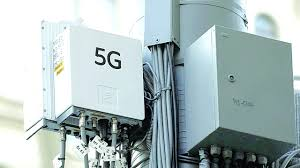
However, three years down the line, 5G infrastructure is still not ready to meet the people’s expectations. Recent reports from Ookla and the Nigerian Communications Commission (NCC) reveal that more than 70 per cent of 5G-capable phones in Lagos still cannot pick a 5G signal. It is 65 per cent in Abuja, with a situation of low coverage but growing demand.
The question on the lips of many Nigerians is: why does 5G network coverage remain low, and what is hampering telecom operators?
Behind the 5G Deployment Hurdle
A telecom industry source who asked not to be named, explained some of the hurdles for us.
“According to in-house rumours, Glo had for a long time been planning to hop on the 5G network train,” the analyst said. “Glo-branded materials with ‘5G’ printed are already commissioned but are yet to be disbursed. Possibly because work is still going on to get the MMO — I mean, Glo — on 5G”
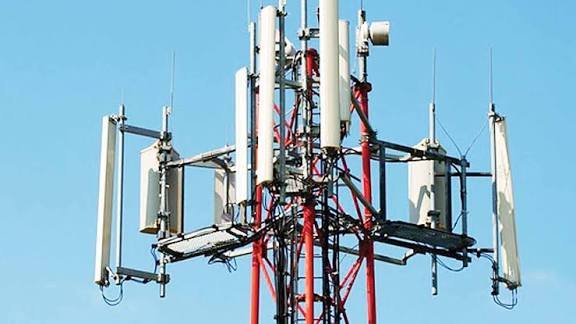
He also noted that MTN Nigeria has long taken the giant step towards 5G, while others continue to grapple with massive financial and regulatory issues.
“There’s a huge cost that all MMOs have to pay to hop on 5G,” he explained. “The license itself costs USD 250 million to USD 300 million. And that before additional costs— upgrading sites, protecting fibre infrastructure, acquiring new sites in high-demand areas, and tackling congestion.”
These costs have played a part in hindering full deployment of the much sought after 5G technology. Nigeria’s telecommunications industry, as competitive as it is, remains tightly regulated and expensive to operate in—a double burden that forces operators to attempt balancing investment with profitability.
NCC Regulation and NIMC Issues
While the Nigerian Communications Commission (NCC) holds tight regulation to assure quality and compliance, others in the industry assert that it’s stifling growth.
“In a country where the NCC is being so tough on all MMOs and NIMC still lingering there to be the gatekeeper, it’s challenging for the operators to spread their wings,” our anonymous source explained.
He added that the National Identity Management Commission (NIMC) also generates additional problems with its incessant server downtimes, strict National Identification Number (NIN) policy, and the consumer’s difficulty in carrying out SIM registrations.
“NIMC alone constitutes a huge problem for MMOs,” he continued. “From their server’s incessant failures to the fact that NIN is needed to register SIMs — and that only four SIMs can be linked to one NIN — the process gets more stressful the more SIMs you try to register. The scrutiny moves from easy to hard: first, SIM by agents, second, by some, third, by Glo Zone, and fourth, only in a Glo office. That stress alone discourages potential customers.”
This chain of bureaucratic hurdles makes it difficult to reach customers, which in turn kills the momentum needed for the mass penetration of 5G.
The Government’s Effort to Close the 5G Gap
The Nigerian government is still dedicated to digital inclusion regardless of failures. The National Policy on 5G, endorsed in 2021, includes proposals for improved broadband infrastructure, strengthening fibre networks, and rural connectivity promotion.
On its part, the NCC in its regulatory capacity has always maintained that its aim is not just rapid rollout but safe and sustainable deployment. The regulator also called for more cooperation between the mobile network companies, infrastructure firms, and the states to minimise the problem of right-of-way and improve the fibre backhaul.
For the telcos, it’s a slow but definite process. Operators like MTN have launched 5G in major cities, with Airtel Nigeria conducting trials. The cost implications and operational complexity are yet to be huge hurdles to large-scale nationwide rollout.
Consumers Waiting for the Real 5G Experience
While the infrastructure race continues, Nigerian smartphone users are left with 5G-enabled phones that do way less than they were purchased for. More and more individuals in Lagos, Abuja, and Port Harcourt say they possess 5G phones in Nigeria but experience only 4G speeds.
Experts warn that the disparity threatens to destroy consumer confidence if buyers feel they have been misled by marketing trickery that cannot be linked to network ability.
Despite the hurdles, the future of 5G in Nigeria is not gloomy. Industry analysts are of the view that if regulatory hurdles are relaxed and operational expenses stabilise, 5G growth can pick up pace in the coming years.
“If the obstacles can be overcome, which is hard, the cost will be easily surmounted,” our expert maintained.
The Road Ahead
Nigeria’s journey to mass 5G network adoption is in progress. With pricey licenses, tight regulatory oversight, and supply chain problems, the journey is currently bumpy and uncomfortable. Yet, with the growing digital economy and a chronically online youth demographic clamouring for faster internet speed, it is one journey that might yet arrive at its destination in one piece.
