


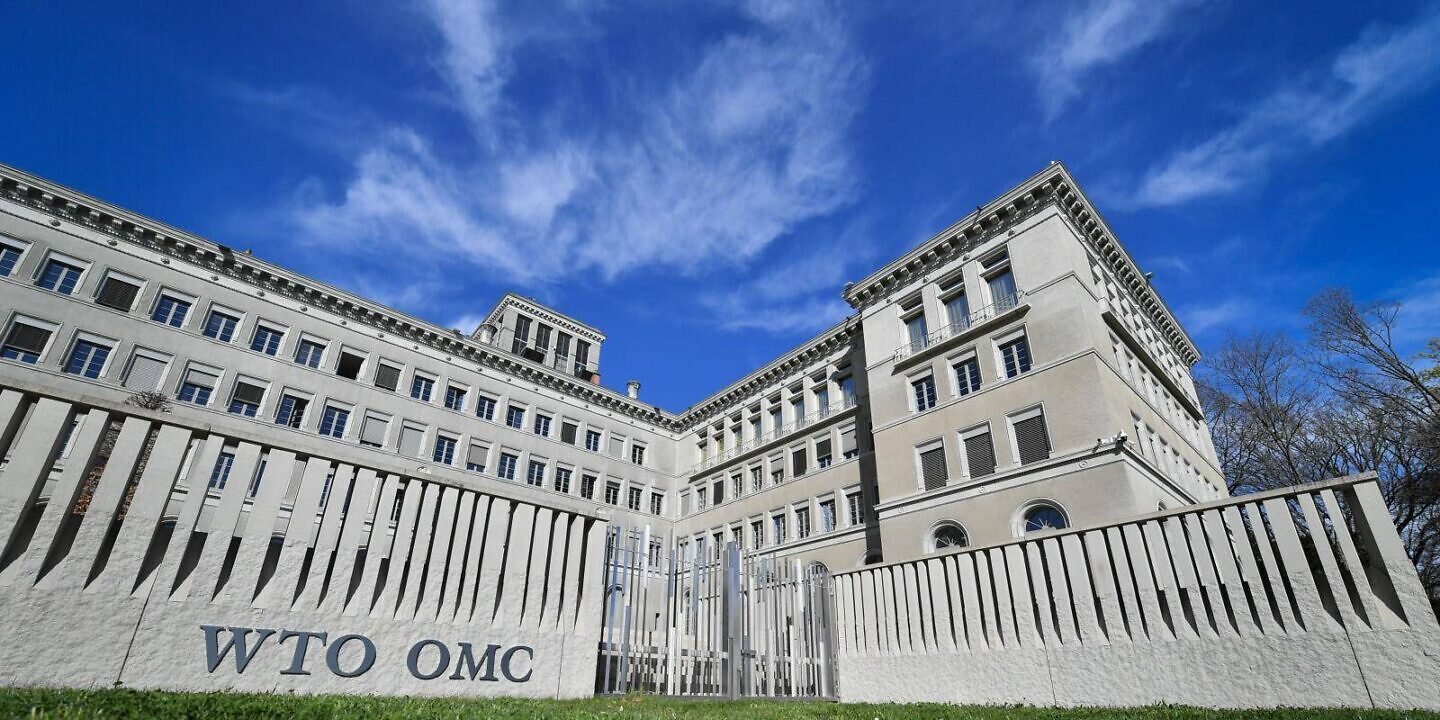
After a sluggish 2024, the World Trade Organisation (WTO) has brightened its outlook for global trade, raising its 2025 merchandise growth forecast to 2.4% — a sharp rise from its earlier 0.9% estimate. The organisation credits the rebound to surging demand for artificial intelligence (AI) technologies and stronger trade ties among developing economies.
In its latest Global Trade Outlook and Statistics Report, the WTO highlighted how AI-driven products like semiconductors, servers, and cloud infrastructure are reshaping trade flows. These items now account for an impressive 42% of global trade growth in 2025, up from just 15% in previous years, signalling a shift toward digital-driven economies.
Emerging Markets Take the Lead
According to the WTO Senior Economist, recent investments in digital infrastructure have become a major catalyst for international trade.

Director-General Ngozi Okonjo-Iweala explained that “stronger South-South trade links and restrained tariff measures have helped sustain global commerce despite ongoing geopolitical tensions.”
Developing economies have outperformed expectations, recording an 8% rise in trade during the first half of 2025 — well above the global average of 6%. Analysts say this growth reflects new export strategies, improved manufacturing capacity, and increased participation in digital value chains.
AI Opens New Doors for SMEs
Okonjo-Iweala noted that the shifting trade landscape offers an opening for small and medium-sized enterprises (SMEs) in emerging markets. “The AI-driven trade boom gives SMEs a chance to expand into digital services, smart manufacturing, and cross-border e-commerce,” she said, urging policymakers to create environments where innovation can thrive.
The WTO believes that this digital momentum could redefine trade patterns in the years ahead, particularly as more developing nations leverage AI to scale production and strengthen global competitiveness.
