

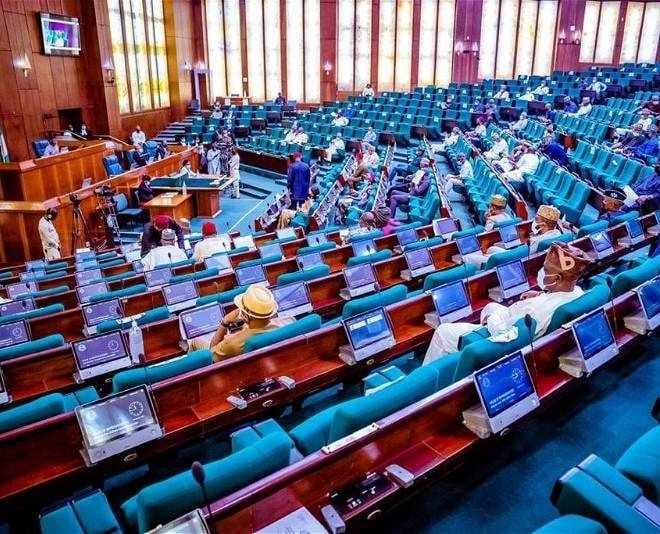
Nigeria’s House of Representatives has launched a new move to regulate cryptocurrency and Point-of-Sale (POS) operations as concerns over fraud and consumer protection continue to rise.
The decision was announced during a ceremony in Abuja, where Speaker Tajudeen Abbas said the Ad-hoc Committee was set up to examine the security and regulatory gaps in the country’s digital finance space. He explained that the initiative became necessary after reports of cybercrime and financial exploitation linked to crypto and POS operators.
The House had earlier summoned Central Bank of Nigeria (CBN) Governor, Olayemi Cardoso, alongside bank CEOs, to discuss policy gaps in documenting POS users nationwide. Lawmakers warned that the lack of proper identification had created loopholes for identity theft, money laundering, and unauthorised transactions.
“By enforcing user documentation, the incidence of fraud will significantly reduce, and the security of financial transactions in Nigeria will be enhanced,” Abbas noted.
Balancing Innovation and Security
Chairman of the Committee, Olufemi Bamisile, said the group’s goal is to balance financial innovation with national security. He noted that while digital finance has opened new doors for inclusion and commerce, it also comes with serious risks.
“Across the world, financial systems are being reshaped by technology. In Nigeria, cryptocurrency and POS operations have grown rapidly, creating new opportunities for innovation — but also new threats like cybercrime and terrorism financing,” he said.
Bamisile explained that the committee will work with key institutions including the CBN, Securities and Exchange Commission (SEC), the Economic and Financial Crimes Commission (EFCC), and the Nigeria Police Force to create a clear framework for regulation.
According to him, the committee will adopt a consultative approach through public hearings that engage fintech operators, regulators, banks, and civil society groups. The aim, he said, is to build a legal structure that supports growth while protecting citizens.
“We must create a system that encourages innovation but also protects the integrity of our financial system,” Bamisile added.Experts say this move could redefine Nigeria’s approach to digital finance, as the country remains one of Africa’s most active crypto markets despite regulatory uncertainty.

One reply on “Nigeria Moves to Regulate Crypto and POS Services”
[…] has also introduced new risks. In October 2024, the SEC said that it would boost its regulation of fintech companies to prevent abuse of funds and improve […]